Age range
7–16
Time
Format
Who runs it
What you get
What it measures
Tier 1
Verbal reasoning
Visual reasoning
Tier 2
Phonological awareness
Working memory
Processing speed
Tier 3
Reading speed
Reading comprehension
Spelling
What your pupils will do
Introduction video
Spoken instructions
Practice with feedback
Game-like feel
How a session starts


1
Pupils type their own 8‑character Login ID

2
They press Start when they’re ready


3
They choose Skills, the name pupils see for this assessment
Task by task
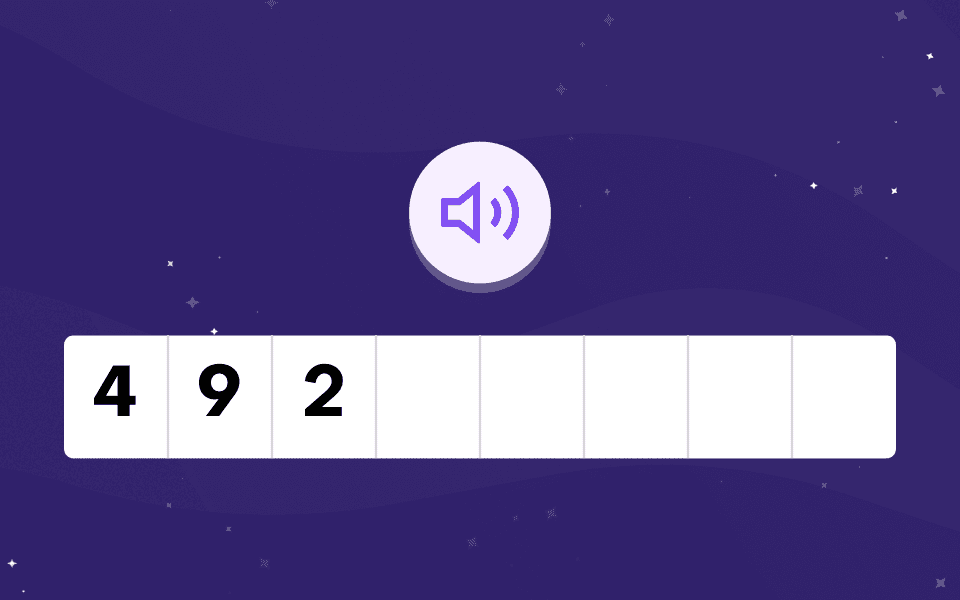
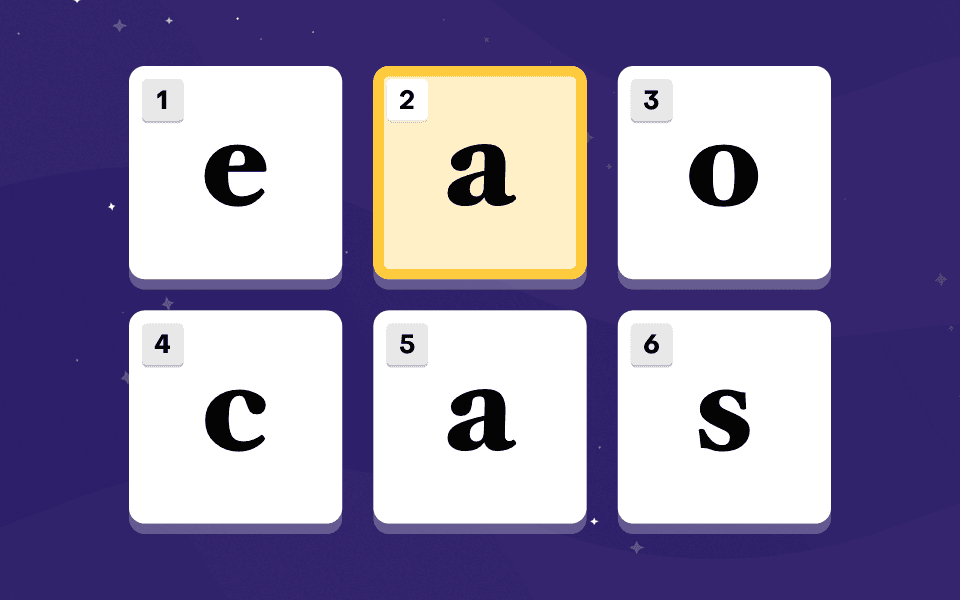
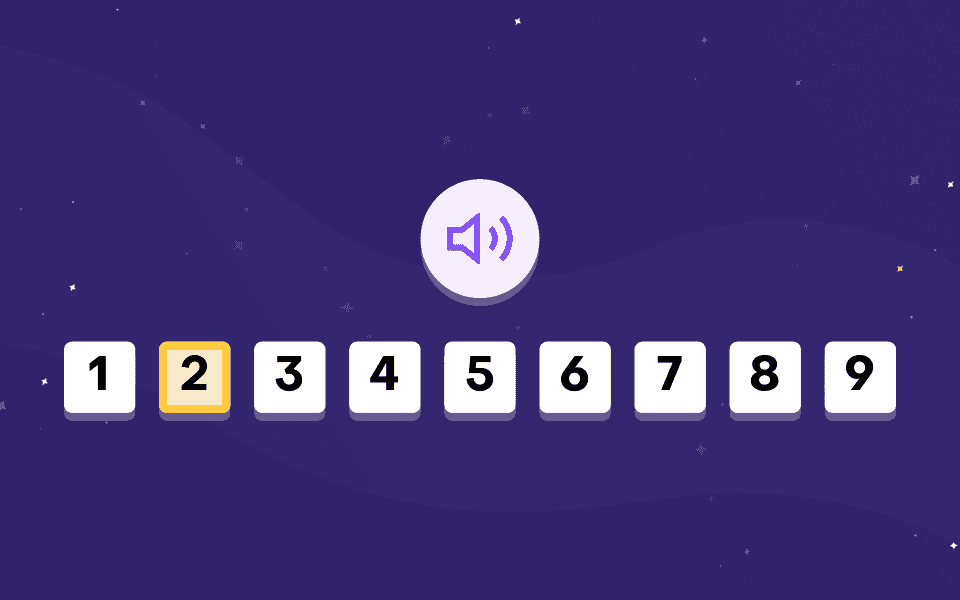
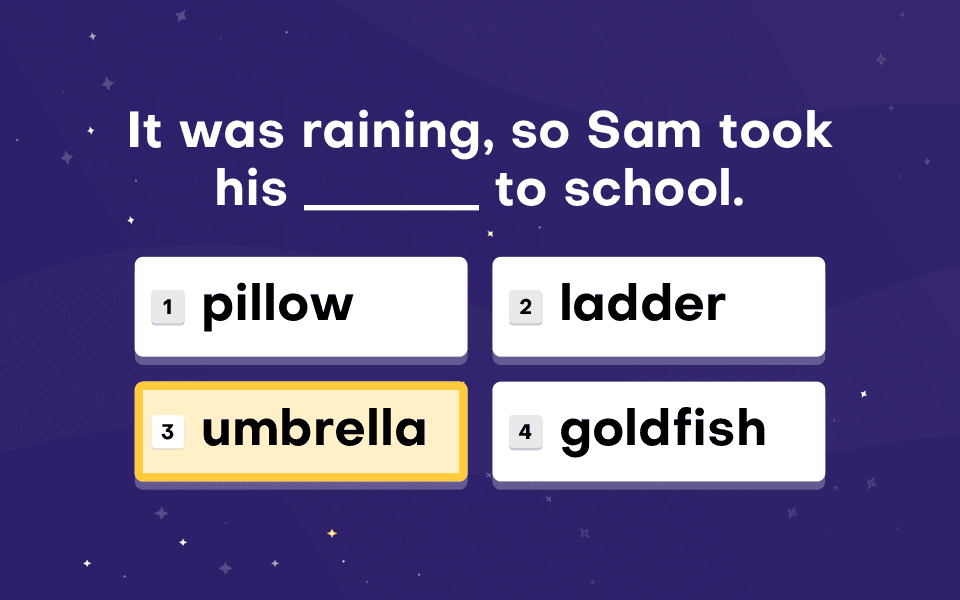
Each card shows the name pupils see, the task’s formal name and the skill it measures.








What you get


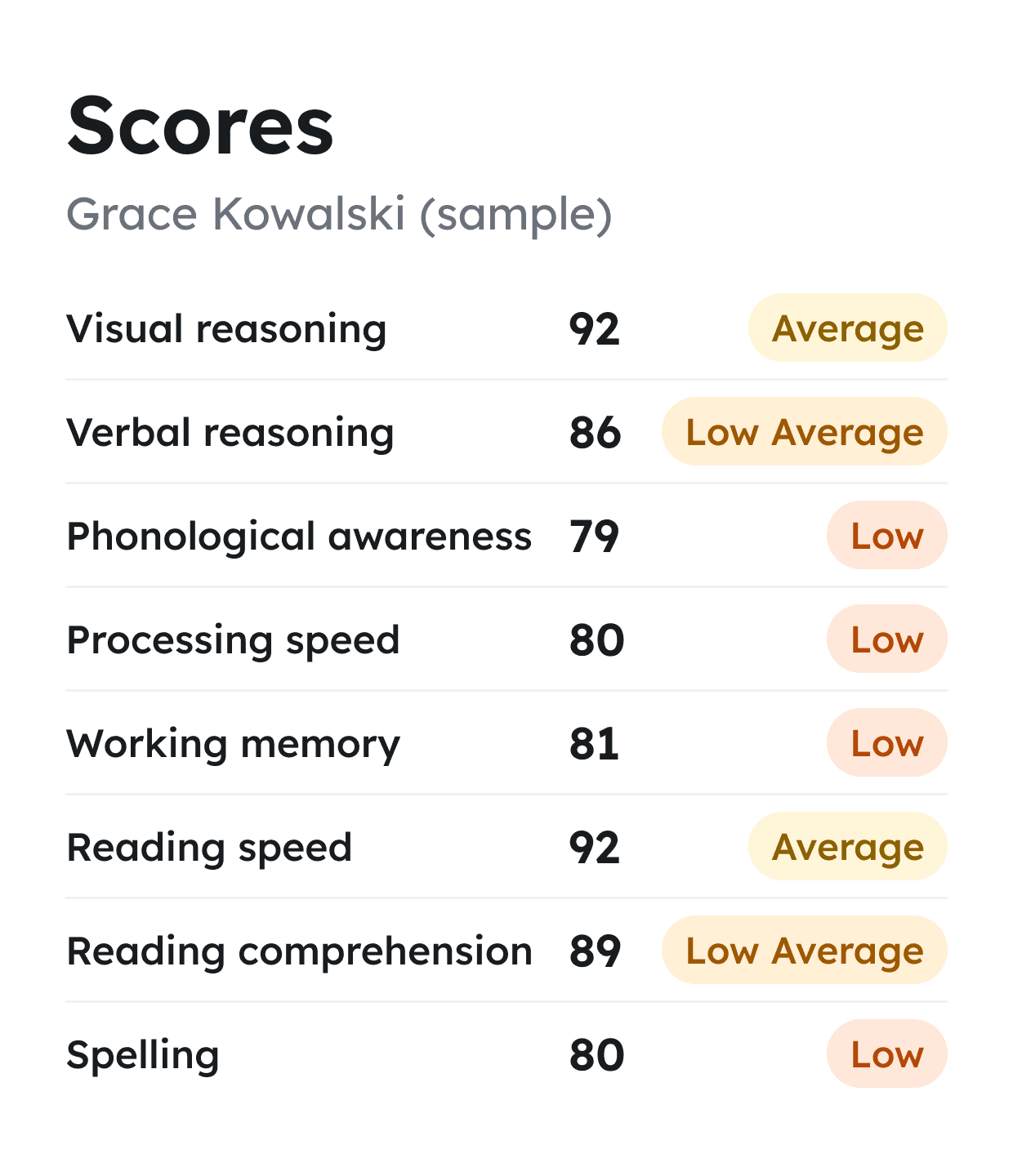
Use the arrows to look through three pages from the sample report of Grace Kowalski, a fictional secondary pupil.
1
Insights
Her Level of Need and dyslexia risk, each explained in a few plain sentences.
2
Results
Her scores in eight areas on one chart, compared with pupils of the same age.
3
Scores
Each standard score with its score rank, such as Low Average.
The rest of her report suggests ways to support her, matched to her profile and year group: in the classroom, through extra support and at home.
See Grace’s full report (PDF)
Unlikely
Possible
Likely
Very likely
Inconclusive
Inconclusive never means low risk. A retest is recommended.
Low
Medium
High
Very high
Built into every report
Checked by a person
Every report is reviewed by Talamo before release, normally within 48 hours.
Unusual results flagged
A score far outside the typical range is flagged for review, not treated as a verdict. Check supervision, access needs and the device before arranging a retest.
Pupil data kept private
The AI model sees pseudonymised scores and context, never a pupil’s name or school. Pupil assessment data is stored in the UK.
Sample reports
See all sample reports
“I liked the visual aspects of the report. Breaking it down really helps talk to families about dyslexia and about the needs of their children.”
Rebecca Bye, SENCo, Sevenoaks Primary School
Read the Sevenoaks case study


pupils in 85 UK schools make up the current norms, built in summer 2026.
reliability (KR-20) across all nine tasks: good to excellent.
agreement between the AI risk model and specialist reviewers on benchmark profiles. A person still checks every report.
Built with Riverside Insights
Seven of the nine tasks are adapted from the Woodcock‑Johnson IV, developed in partnership with its publisher, Riverside Insights. Syllables and Nonword Spelling were built by Talamo for fully online phonological assessment.

Good to know